
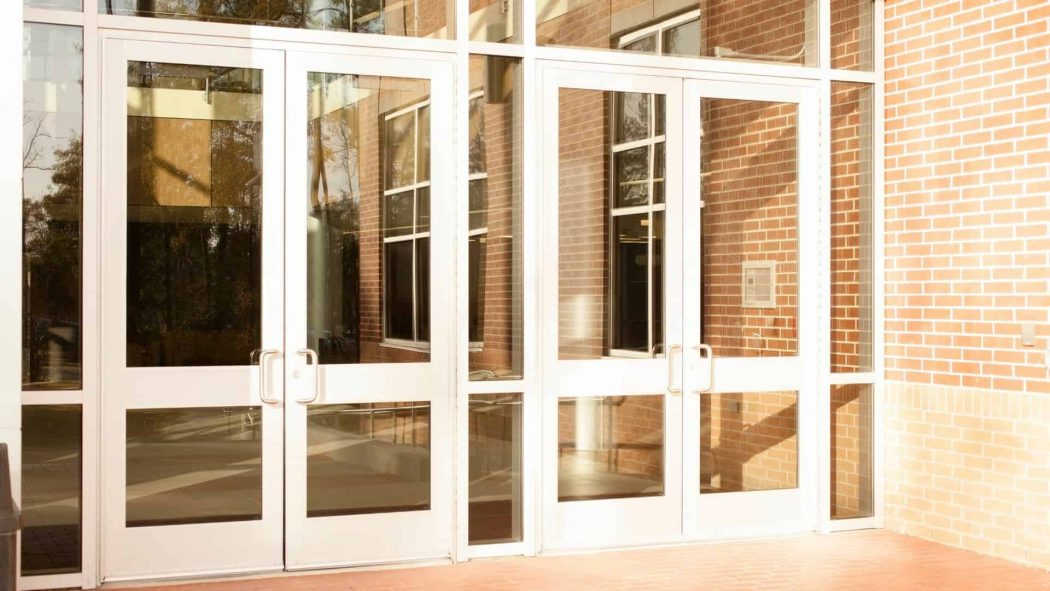
A door isn’t just a place to go in and out. The selection of the appropriate exterior door for commercial buildings and residential properties can also help to enhance security, energy efficiency, accessibility, appearance, and daily operations. Even if the door is a good product, it could still be a poor choice if installed improperly.
Before Commercial Door Installation, a thorough assessment of the property’s needs, building usage, traffic, weather exposure, and security should be taken into account. Learning about the choices can enable homeowners to make a sensible and enduring investment.
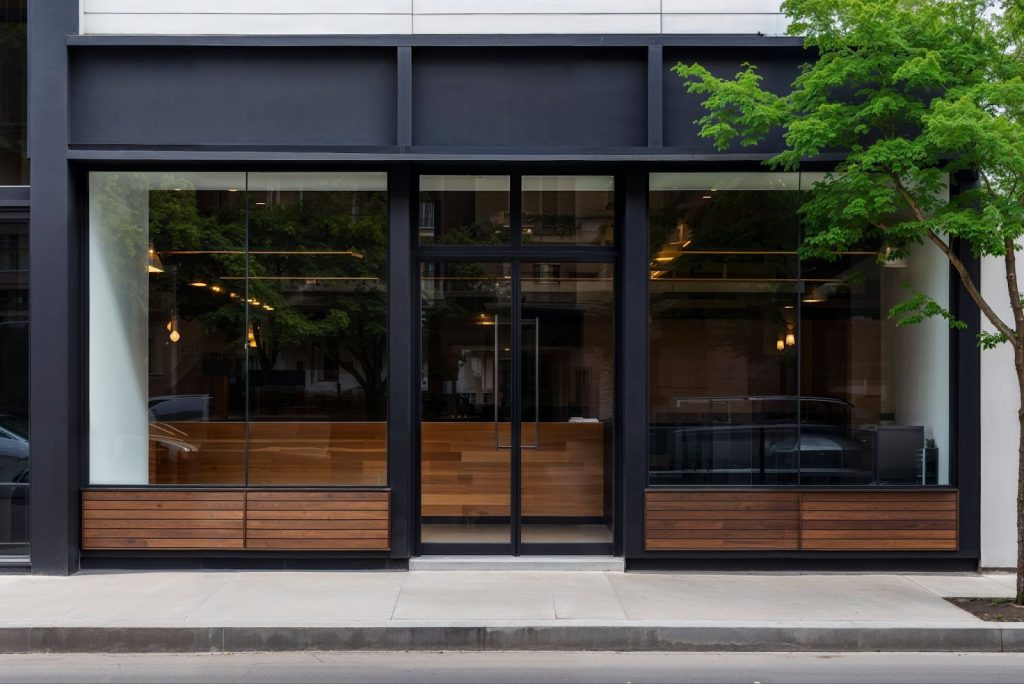
What is Commercial Door Installation?
Commercial door installation is the process of installing a door that fits in a commercial property such as business buildings, offices, retail stores, warehouses, schools, healthcare buildings, and other properties that have lots of foot traffic. They are typically constructed to withstand heavy use and comply with particular safety, accessibility, and security regulations.
More than just hanging a door
The elements involved in a proper installation include accurate measurements, frame preparation, hardware selection, alignment, weather sealing, and functionality testing. All the components must function in harmony.
The use of the building is the focus of its design.
Depending on how the building is being used, the right door should be used. The needs for a busy retail entrance are different from those of a warehouse loading area or private office. Traffic, security, accessibility, and environment are crucial in Commercial Door Installation Services.
Long-Term Performance Matters
Improper alignment and/or hardware can lead to excessive wear, air leaks, sticking, and security issues. When the system is set up properly, it helps to safeguard the investment and ensure that the equipment can be used consistently every day.
Differences between Commercial and Residential Door Requirements?
Both commercial and residential doors offer security and access, but there are many differences in construction and installation.
Designed for varying degrees of traffic.
For most homes, doors are used only a few times a day. Commercial doors may open and close hundreds of times a day, particularly those used in public buildings. More frequently, they need to be made of more substantial materials, frames, hinges, closers, and hardware.
Safety and Accessibility Considerations are taken into account.
Commercial properties may be required to comply with building codes and accessibility requirements. Depending on the building, features such as panic hardware, fire-rated assemblies, automatic closers, and accessible entry systems may be required.
Performance Expectations
In commercial settings, the door’s durability and function might be the main considerations, whereas in residential exterior door scenarios, there may be more of a focus on aesthetics, insulation, and curb appeal. But both will benefit from an exact job of installation.
Which Externally Facing Doors are Best Suited for Properties?
A key aspect of Exterior Door Installation involves selecting the appropriate material and design for your new door. This will depend on the use, location, security requirements, and aesthetic requirements of the property.
Steel Doors
Due to their durability and strength, steel doors are easily adopted for commercial purposes. They are capable of delivering reliable security and are well-suited for high-traffic environments.
Fiberglass Doors
Fiberglass is durable, versatile, and will not warp or get wet. Widely used for exterior residential and light commercial use where appearance and weather resistance are critical.
Glass and Aluminum Doors
Glass storefront doors and aluminum-framed systems result in a clear and inviting look. They are popular for retail outlets, office buildings, and commercial entrances where visibility and natural light are essential.
What are some of the Security and Durability Factors to consider?
The exterior door is a portion of the overall protection system of a property. Choices of materials and hardware can help enhance safety while not sacrificing usability.
Strong Materials and Frames
The door is just a part of the system. The frames, hinges, strike plates, and locking mechanisms should also be in line with the level of security needed for the property.
Weather Resistance
Rain, wind, sun, temperature, and moisture are all threats to exterior doors. Drafts and water entry can be minimized by proper weatherstripping and sealing.
The Hardware for Everyday Use.
Doors with high traffic should have strong hardware that tolerates repetitive use. Closers, hinges, locks, and handles should be chosen not only for their appearance but for the use they are likely to be put to.
What Are The Advantages Of Correct Exterior Entry Door Installation?
Even the best door can’t function as it was designed if it is not installed correctly. Its performance depends a lot on the fitting.
Improved Security
Locks and latches latch properly due to correct alignment. Unnecessary vulnerabilities arise when gaps, loose frames, or deficient hardware occur.
Better Energy Efficiency
Exterior doors that are properly installed minimize unwanted air movement. Good sealing around the frame can help maintain good indoor comfort and decrease the pressure on HVAC systems.
Smooth Everyday Operation
Sticking, dragging, or slamming doors and doors that don’t latch well can cause disruptions in workflow and irritate people. Reliable Door Installation helps to create smooth and consistent functionality.
Factors to Consider When Selecting Commercial Door Installers
The choice of door is equally significant as the choice of the installation team. When choosing a price, property owners should also take into account the quality of service and craftsmanship.
Find Relevant Experience
Commercial door installation needs to be familiar with the various types of door materials, hardware systems, frames, and building applications. If someone has experience installing something similar in the type of property, it will make the installation process more efficient.
Inquire about how the job is done.
A reputable company will clearly state measurements, material recommendations, hardware options, installation procedures, and the time it takes.
Focus on Complete Solutions
The most effective installation method is to install the whole entry system and not just the door slab. Performance is affected by frames, thresholds, weather seals, locks, closers, and surrounding conditions.
Why should you opt for Custom Doors and Windows LLC?
Custom Doors and Windows LLC realizes that each property has various functional and aesthetic needs. A business door entrance needs to be secure and facilitate easy access to the building regularly, while an exterior house door entrance can require a mix of energy efficiency, durability, and aesthetic style.
The right solution begins with understanding the property rather than a one-size-fits-all solution. From choosing appropriate materials and styles to fitting them correctly, the level of detail can make a significant impact on how long they last.
Whether the home is looking for a facelift or a new door system is being planned, selecting the right door system for the building’s particular requirements can enhance use, look, and peace of mind.
Conclusion Remarks
Commercial and exterior doors are a crucial investment for any property’s security, usability, and beauty. The selection of the appropriate type will depend on the specific conditions, including traffic volume, exposure to the elements, durability, and aesthetic considerations.
Considering these details before commercial door installation can help avoid expensive problems down the road. The right door for the job, installed correctly, will offer reliable performance and help to make your property a safer, more welcoming place. Call Custom Doors and Windows LLC today to get reliable exterior and commercial door installation services for your property.
Frequently Asked Questions
- Time consumed for commercial door installation?
Installation time varies depending on door type, frame condition, hardware, and project size. Simple replacements can be quicker than custom commercial entry systems.
- What’s the most suitable exterior commercial door material?
Each of these systems- steel, aluminum, fiberglass, or glass- has its own advantages. The choice depends on the level of security required, traffic, weather exposure, and appearance.
- Is there an existing commercial type door frame that can be reused?
In some cases, yes. But the frame needs to be checked for damage, out-of-line problems, corrosion, and compatibility with the new door.
- Why is it important to have the door aligned properly?
This ensures the door slides open and closed correctly, ensures locks operate correctly, and prevents excessive wear on the hinges and hardware.
- What are some things to consider before arranging commercial door installation?
Think about the type of security required, type of doors, volume of traffic, weather conditions, energy efficiency targets, hardware requirements, and design.