
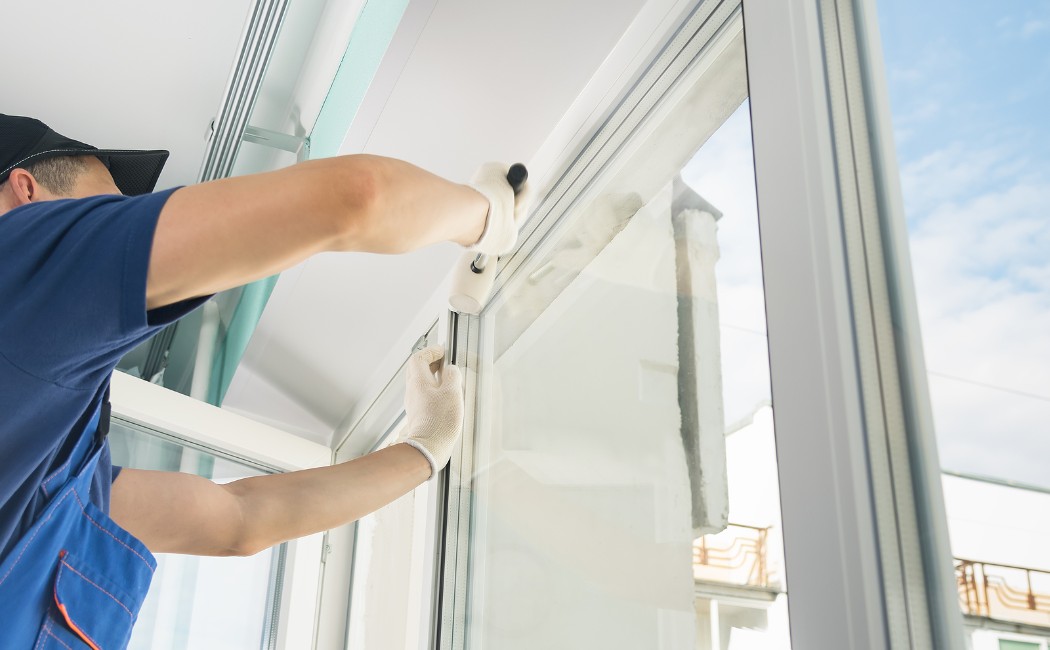

Among the most critical jobs in renovating an older home, constructing a new residence, or upgrading a commercial property is Doors and Windows Installation. A poorly installed door can compromise your home’s security and energy efficiency and even affect its appearance, while a well-installed door can improve them for decades. Before, during, and after installation, this checklist provides all the information that you need so nothing is missed.
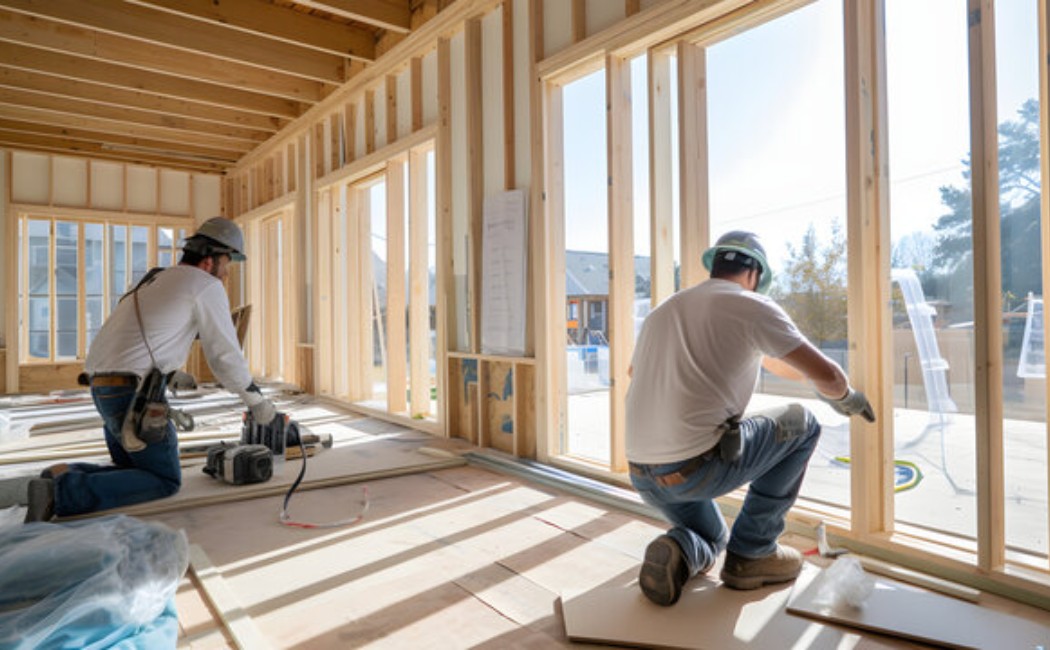
Importance Of Proper Door Installation
Look beyond the doorway and see that your doors are the front line of defense against the elements, break-ins, and energy loss. Whether you are installing a new door in a home or in a commercial building, it is never worth cutting corners when it comes to the new door. Over time, problems such as improper sealing, misaligned frames, and wrong hardware can lead to drafts, security risks, and structural damage.
This is where getting through a comprehensive checklist, and preferably working with experienced professionals, comes in handy.
Comprehensive Pre-installation Checklist
The time, money, and frustration saved by getting things right before Doors and Windows Installation begins are well worth it. Before beginning the project, you should check the following:
Prep is determined by measurement
- Take measurements for rough opening width and height in several spots (top, middle, and bottom) to account for any variations
- Check rough opening size for door unit size, plus shimming (1/2” on each side of rough opening usually)
- Make sure the floor is level in the threshold area.
- Check subfloor and nearby framing for rot, dampness, and insect infestation
- Ensure header support on load-bearing walls above the opening
The Selection Of Materials And Products
- Select the type of door material that is appropriate for your climate – fiberglass doors will not warp in humid regions, steel is going to provide protection and durability, and solid wood will be suitable for interior aesthetic installations.
- Make sure you know if the door swings left or right (inswing or outswing) before you place an order
- Use the right fire rating as needed by local building codes (particularly at garage to home entry, and commercial use)
- Check that your door unit has a pre-hung frame or if you need to install a separate frame.
- Let all hardware be delivered up-front – including hinges, locksets, deadbolts, door handles, etc. – so as not to slow down the installation.
Permits and Code Compliance
- Local municipality check to determine if a building permit is needed for door replacement or new door installation.
- Maintain clear bedroom and basement doors (must be at least 20″ x 24″ clear)
- If the door is being installed in a commercial building, check on ADA requirements for door widths, thresholds, and hardware — they all have specific requirements that need to be adhered to
- Make sure all fire-rated assemblies are installed with the same fire-rated frames and hardware
The Step-by-Step Door Installation Checklist During Installation
It’s at this point that precision counts the most. These steps should be followed in order, whether your contractor is simply installing a single entry door or a building’s worth of commercial doors.
Removal of H3 frames (Replacement Projects)
- Cut the inside and outside casing with a utility knife to prevent damage to drywall or siding.
- Carefully remove and salvage the door, hinges, and casing if possible.
- Once exposed, check the rough opening for water stains, soft wood, or pest damage before proceeding
- Change out any damaged framing material before installation of the new unit
Setting the New Door Unit
- Use a bead of sealant or house wrap tape around the sill pan before installing the door.
- Place the door unit in the rough opening, plumb it on the hinge side first, as this is the point of reference.
- Use shims in the hinge and strike plate area to plumb and level the frame
- Reveal (the gap between the door slab and the frame) is uniform – usually 1/8” around the door frame.
- Do not permanently secure until the door opens and closes without binding
Fastening and Securing
- Screw fasteners into the hinge positions and into the points on the shim at the latch end.
- Secure through the strike plate with long screws (3″ or greater) to structural framing, not the door frame
- Use a continuous threshold seal and ensure it is in full contact with the bottom of the door on exterior doors.
- Use foam backer rod and caulk around the outside perimeter (this should be the first step, as it is your main barrier from moisture getting in)
Hardware Installation
- Fit hinges, making sure that all the screws are locked in place and secured
- Install the lockset and deadbolt, ensuring that the bolt and the latch perfectly match the strike plate.
- Test the door several times (open, close, lock, unlock from both sides)
- Put door stops in place (if not already installed on the door frame)
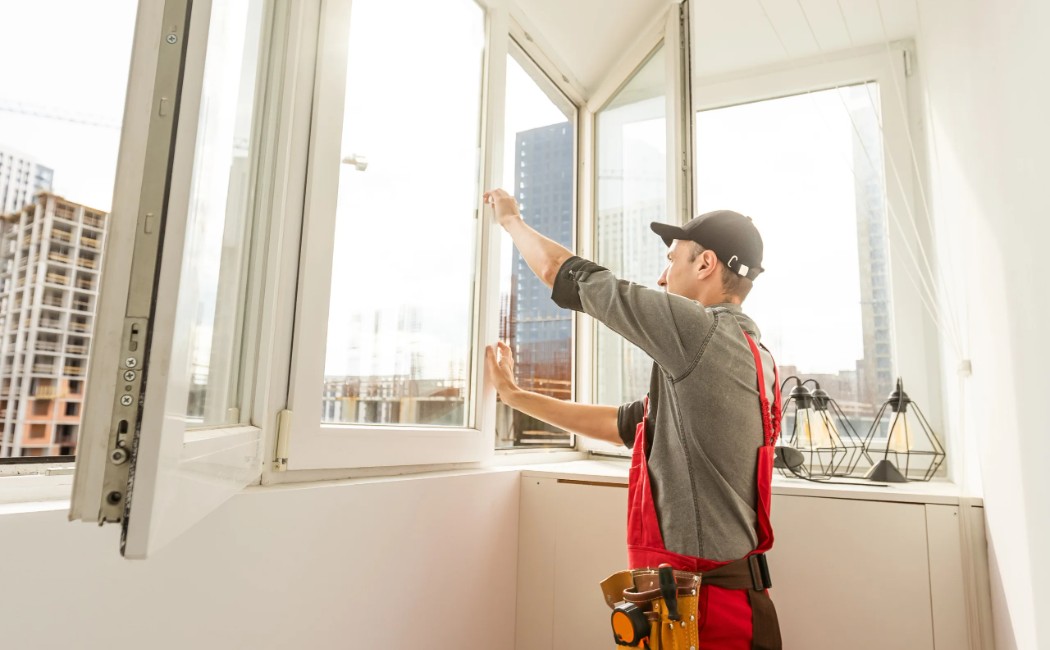
Post-Installation Checklist: The Final Inspection
The job isn’t done when the door is hung. Post-installation walkthrough is a comprehensive list that will help to prevent problems from occurring.
Weatherproofing and Insulation
- With the door closed, check for daylight gaps all around the door perimeter from the inside.
- Check door sweep or automatic door bottom seals to be sure they are fully sealed to the door threshold
- Ensure insulation/foam is in the shim spaces inside the rough opening cavity. This has the added benefit of providing insulation and lower energy costs by keeping out drafts from the rough opening cavity.
- Caulk all trim and casing joints that abut the siding on the exterior of the house
Operation and security check
- One-handedly open and close the door without sticking or dropping
- Lock and unlock the deadbolt; it should not be forced.
- See if the door opens or closes automatically (frame is not plumb — adjust hinges as necessary)
- Ensure that all hardware is secure and not coming loose
Finishing And Cleaning Up The Project
- All exposed sides of wood (top and bottom edges of the door slab) should be painted or stained to prevent moisture absorption.
- Fit the door casing on the inside of the door and nail it at the correct intervals
- Caulk out and then paint around the caulk on the outside
- Clear the work area of all packaging material, debris, and old door materials.
Residential door installation vs. commercial door installation
The basics are the same, but there are some differences between residential door installation and commercial door installation.
Residential Installations
- Usually use pre-hung door units of standard sizes
- Emphasize appearance, energy efficiency, and selling appeal
- The equipment is consumer-grade, with a range of high-quality security options available.
- Projects can be done in one day per door
Commercial Installations
More frequently, hollow metal frames need to be installed within masonry or steel stud framing, a more complicated procedure.
- Fire rating, ADA compliance, and commercial-grade closer hardware are normal requirements.
- Technically complex (panic hardware/exit devices and access control systems)
- Coordination with general contractors and inspectors is required for projects.
Installing Large Patio Doors
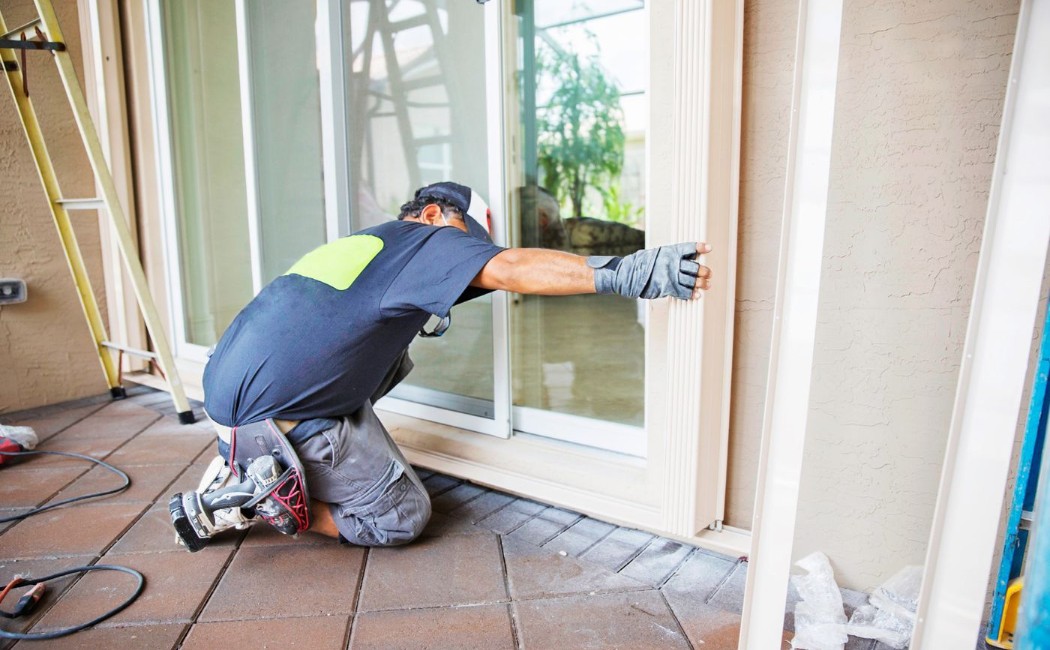
When dealing with large patio doors, such as those with French, sliding glass, and multi-panel folding doors, extra care is needed because of the weight and size of these doors.
- Confirm that the structural header over the opening is sized to support the added weight of the wide, heavy door unit.
- Make sure the rough sill is absolutely level — even a slight incline or decline will make the sliding panels automatically slide open or closed
- Install an adequate sill pan flashing system (Big glass doors are particularly susceptible to water infiltration at the bottom of the door)
- When hanging panels on slides, ensure that the track is clean, level, and supported properly.
- Ensure locking is complete throughout the panel’s lift
- For large glass panels near floor level, consider tempering and/or laminating the glass for safety per code requirements
About Custom Doors and Windows LLC
In the field of door and window installation, expertise isn’t simply a qualification; it’s the distinction between simply finishing a task and doing it right. For more than 75 years, Custom Doors and Windows LLC has established a reputation with homeowners and businesses for outstanding precision craftsmanship, competitive pricing, and long-lasting results. Whether we are installing a single-family residential door or handling a commercial door installation project of any size, our team has decades of hands-on experience in every project.
Your Investment Deserves To Be Lasting
A door is one of those things you take for granted because each time you use it, it just works, and it works year after year, and it doesn’t fail. It opens easily, latches securely, excludes the elements, and maintains its shape year-round.
This kind of performance is no accident. That’s thanks to the careful preparation, precise installation, proper sealing, and the quality materials used that are designed to meet the requirements of the space.
Whether you are doing the work yourself or you are the one overseeing a contractor, use this checklist as your standard. So when you’re ready to work with Window Installation Agency, who have been getting it right for more than 40 years, call Custom Doors and Windows LLC to help you get it done.
Common Client Concerns
How can I determine if my door frame needs replacement?
When you press on the frame, you notice soft or spongy wood, dark spots at the corners, the frame is separating from the wall, or you have been adjusting a door for years, it’s time for frame replacement.
What is the average time for a residential door installation?
In most cases, an exterior door replacement can be completed within three to five hours per door, which involves removing the old door, preparing the opening, installing and securing the new pre-hung door, and applying trim.
What is the most frequent homeowner’s error in door installation?
The most common and expensive error is not installing sill pan flashing and perimeter sealing on exterior doors.
Can my door and window replacement help with my energy efficiency?
In most cases, yes. When installed and sealed correctly, modern energy-efficient doors and windows can help to reduce heat loss, creating a more comfortable interior and potentially reducing heating and cooling costs.
What are some potential pitfalls to avoid when installing a portable spa?
Examples of common problems are inadequate insulation, uneven frames, improper flashing, failure to test operation after installation, and poor sealing. This can cause drafts, leaks, and diminished performance over time.